 |
Welcome To Evlithium Best Store For Lithium Iron Phosphate (LiFePO4) Battery |
 |
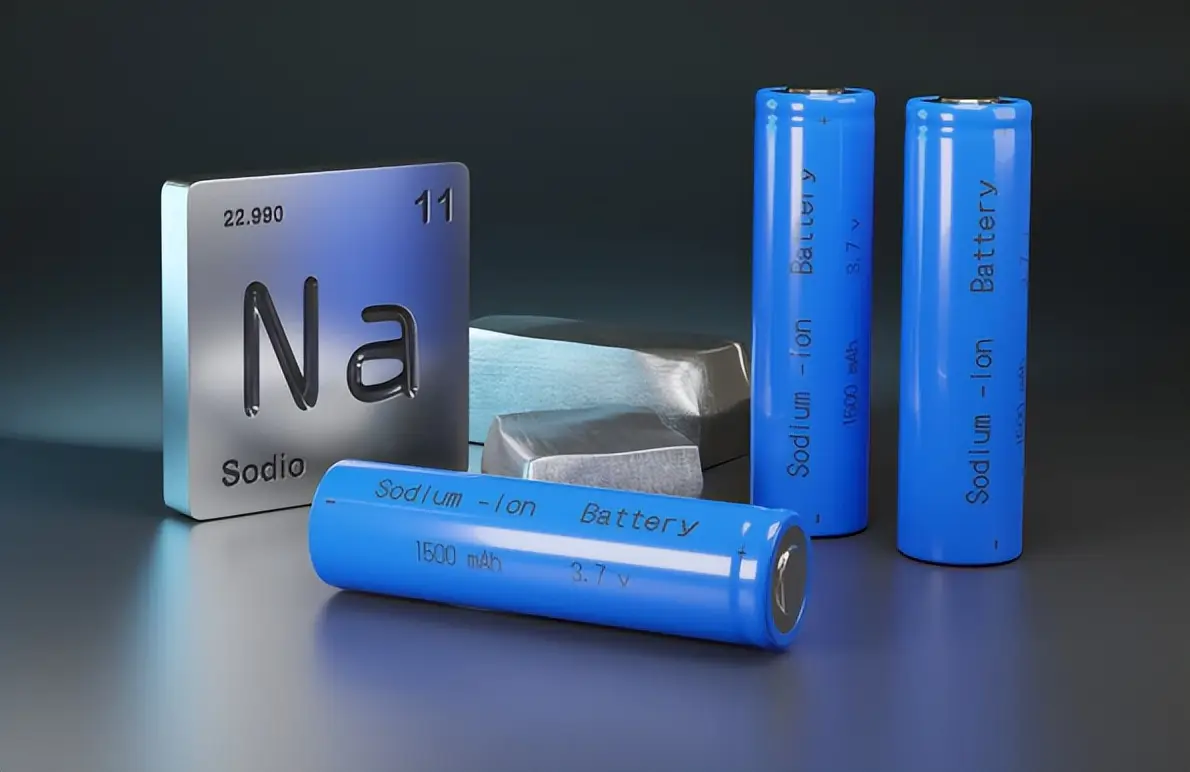
As global demand for efficient, scalable, and sustainable energy storage continues to rise, battery technology is evolving beyond the dominance of lithium-ion systems. While lithium-ion batteries have powered everything from smartphones to electric vehicles for decades, concerns about cost, resource scarcity, and environmental impact have driven interest in alternative chemistries. Among the most promising contenders is the sodium-ion battery.
This in-depth guide explores the differences between sodium-ion and lithium-ion batteries, examining how they work, where they excel, where they fall short, and whether sodium-ion batteries could shape the future of energy storage.
A sodium-ion battery is a rechargeable energy storage device that uses sodium ions (Na⁺) to transfer charge between electrodes. Structurally, it closely resembles a lithium-ion battery, consisting of three primary components: a cathode, an anode, and an electrolyte.
The cathode typically contains sodium-based compounds such as sodium layered oxides or polyanionic materials. The anode is often made from hard carbon or other materials capable of hosting sodium ions. During charging, sodium ions move from the cathode through the electrolyte and embed themselves into the anode. When the battery discharges, the ions travel back to the cathode, releasing stored energy.
Because sodium is abundant and widely available, sodium-ion batteries have gained attention as a potentially lower-cost and more sustainable alternative to lithium-ion systems.
Although sodium-ion and lithium-ion batteries share similar operating principles, their performance characteristics differ significantly due to the fundamental properties of sodium and lithium. Below is a detailed comparison of the most important factors.
The most fundamental difference lies in the charge carriers themselves. Sodium-ion batteries rely on sodium ions, while lithium-ion batteries use lithium ions.
Sodium ions are larger and heavier than lithium ions. This size difference affects how easily ions move within the battery structure and limits the types of materials that can efficiently host them. As a result, sodium-ion batteries often face challenges in achieving the same performance levels as lithium-ion batteries.
Energy density refers to how much energy a battery can store relative to its weight or volume. This factor is critical for applications such as electric vehicles, laptops, and portable electronics.
Lithium-ion batteries have a clear advantage in this area. Lithium’s smaller ionic radius and higher electrochemical potential allow lithium-ion batteries to achieve higher operating voltages and greater energy density. Typical lithium-ion cells operate at around 3.6–3.7 volts.
In contrast, sodium-ion batteries usually operate at lower voltages, typically between 2.0 and 3.0 volts per cell. Combined with the heavier sodium ions, this results in lower energy density, making sodium-ion batteries less suitable for weight-sensitive applications.
Cycle life measures how many charge and discharge cycles a battery can complete before its capacity degrades significantly.
Lithium-ion batteries benefit from decades of research and material optimization, resulting in long cycle life and stable performance. Many lithium-ion batteries can exceed 2,000 cycles under proper conditions.
Sodium-ion batteries, however, still face material challenges. The larger sodium ions cause greater structural stress during repeated intercalation and deintercalation, which can lead to faster degradation. While progress is being made, sodium-ion batteries generally have a shorter cycle life compared to mature lithium-ion technologies.
Lithium has a lower redox potential than sodium, allowing lithium-ion batteries to store more energy per unit charge. This advantage directly contributes to the higher voltage and efficiency of lithium-ion cells.
Sodium-ion batteries, operating at lower voltages, often require larger battery packs to deliver the same amount of energy. This limitation impacts their competitiveness in compact or high-performance systems.
One of the strongest arguments in favor of sodium-ion batteries is cost. Sodium is the sixth most abundant element on Earth and can be sourced from seawater and widely available minerals. In contrast, lithium resources are geographically concentrated and subject to price volatility.
From a raw material perspective, sodium-ion batteries have the potential to be significantly cheaper to produce. However, current manufacturing processes, supply chains, and limited economies of scale mean that sodium-ion batteries have not yet achieved a clear cost advantage in commercial markets.
Sodium-ion batteries generally exhibit good thermal stability and can perform reliably at higher temperatures. This makes them attractive for stationary energy storage, grid applications, and environments where temperature control is difficult.
Lithium-ion batteries, while safe when properly managed, are more prone to thermal runaway if damaged or improperly handled. Advanced battery management systems mitigate these risks, but safety remains a key consideration.
The answer depends entirely on the application.
For portable electronics, electric vehicles, and aerospace applications where energy density and weight are critical, lithium-ion batteries remain the superior choice. Their high energy density, long cycle life, and proven reliability make them the industry standard.
However, for large-scale energy storage, renewable energy buffering, and cost-sensitive applications, sodium-ion batteries offer compelling advantages. Their material abundance, potential cost savings, and strong thermal performance make them a promising option for stationary storage systems.
Despite their promise, sodium-ion batteries have not yet achieved widespread adoption for several reasons:
Lower energy density, which limits their use in compact systems
Shorter cycle life compared to advanced lithium-ion batteries
Less mature technology, with fewer optimized materials and manufacturing processes
Limited commercial infrastructure, including supply chains and standardized designs
These challenges have slowed commercialization, even as research interest continues to grow.
Sodium-ion batteries are unlikely to completely replace lithium-ion batteries in the near future. Instead, they are expected to complement existing technologies by serving specific market segments.
As renewable energy adoption increases, the need for affordable, scalable, and sustainable energy storage becomes more critical. Sodium-ion batteries are well-positioned to play a significant role in grid-scale storage, backup power systems, and industrial applications.
Ongoing research aims to improve energy density, electrode materials, and cycle life. If these efforts succeed, sodium-ion batteries could become a mainstream solution for large-scale energy storage.
Sodium-ion battery development has moved beyond the laboratory stage. Several companies and research institutions have already demonstrated working prototypes and pilot-scale production.
While limited commercial products may appear in niche markets, widespread adoption in consumer electronics or electric vehicles is still several years away. Key factors influencing the timeline include manufacturing scalability, performance improvements, and market demand.
Sodium-ion batteries represent a promising alternative to lithium-ion technology, offering advantages in sustainability, resource availability, and potential cost reduction. However, they currently lag behind lithium-ion batteries in energy density, voltage, and cycle life.
Rather than viewing sodium-ion batteries as a direct replacement, it is more accurate to see them as a complementary technology. With continued innovation and investment, sodium-ion batteries could become a critical component of the global energy storage ecosystem, especially as the world transitions toward cleaner and more resilient power systems.
The future of energy storage is not about one battery chemistry winning outright—it is about deploying the right technology for the right application.
Edit by paco
Last Update:2026-01-05 09:47:01
All Rights reserved © 2026 Evlithium Limited