 |
Welcome To Evlithium Best Store For Lithium Iron Phosphate (LiFePO4) Battery |
 |
When choosing a reliable power source, batteries play a critical role across industries—from automotive and marine to solar energy storage and backup power systems. Among the many battery technologies available today, AGM batteries and traditional lead acid batteries remain two of the most widely used options. While they share some fundamental similarities, their differences in construction, performance, safety, and durability can significantly impact real-world applications.
So, how do you decide between an AGM battery vs. a lead acid battery? This in-depth guide breaks down everything you need to know, helping you make a confident and informed decision.
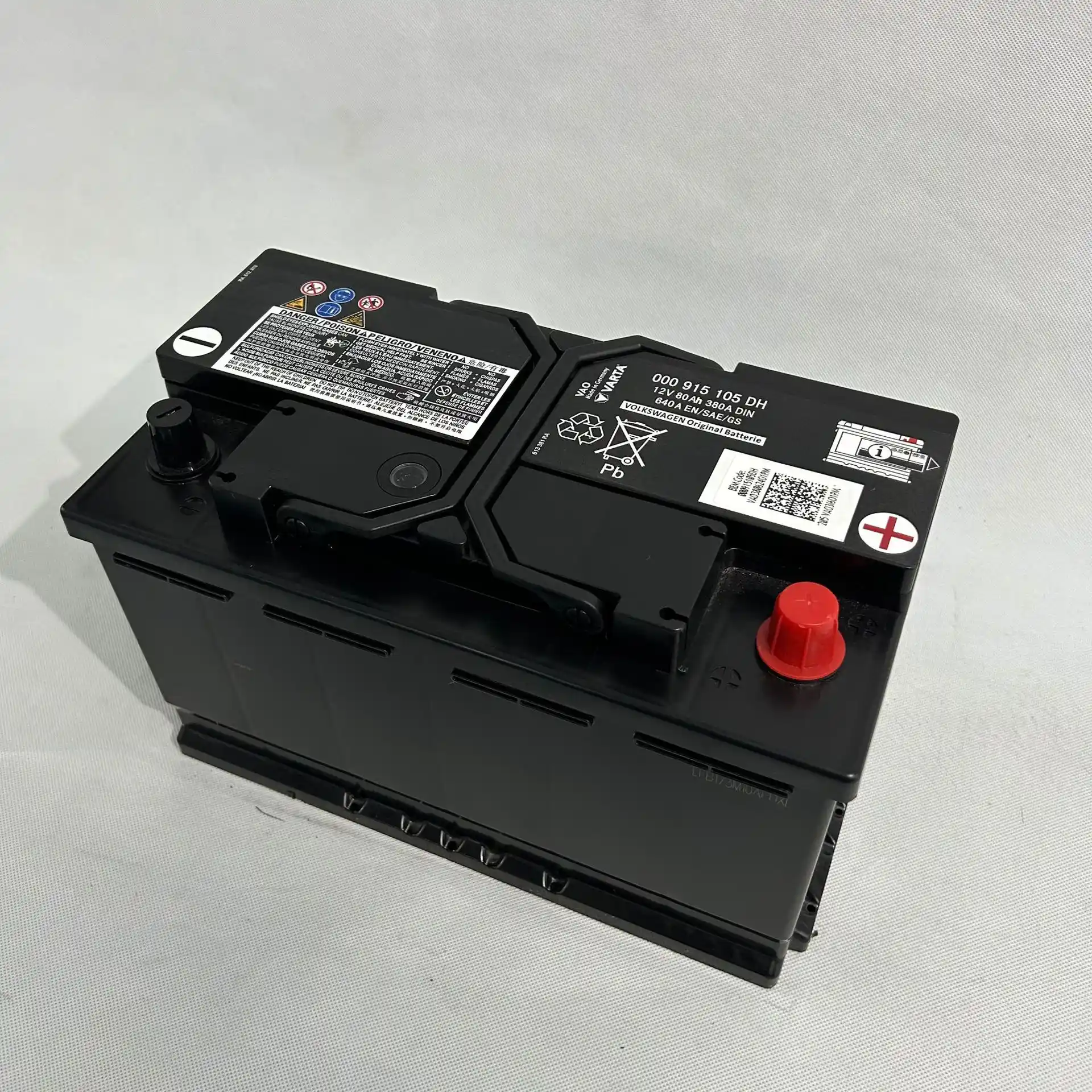
An AGM battery (Absorbent Glass Mat battery) is an advanced form of lead-acid technology. Instead of using free-flowing liquid electrolyte, AGM batteries rely on a fiberglass mat that absorbs and immobilizes the electrolyte. This mat sits tightly between the battery’s lead plates, keeping the acid evenly distributed and preventing spills or leaks.
AGM batteries are also classified as valve-regulated lead-acid (VRLA) batteries. They are sealed, maintenance-free, and designed to recombine gases internally, which improves safety and efficiency.
Inside an AGM battery, the electrolyte is suspended in the glass mat material. When the battery discharges, ions move efficiently between the plates through this saturated mat. During charging, the process reverses with minimal energy loss. Because of this design, AGM batteries deliver higher power output, faster charging, and deeper discharge capability than traditional flooded lead-acid batteries.
AGM batteries eliminate the risk of acid spills and leaks thanks to their immobilized electrolyte. This makes them significantly safer for indoor use, enclosed spaces, and mobile applications such as RVs and boats.
With reduced internal corrosion and minimal electrolyte evaporation, AGM batteries generally last 4 to 7 years, outperforming standard lead-acid batteries in longevity.
AGM batteries offer high power density and stable voltage output, even under heavy loads. This makes them ideal for solar energy systems, high-performance vehicles, and critical backup power solutions.
Low internal resistance allows AGM batteries to charge up to five times faster than conventional lead-acid batteries. This advantage is crucial in emergency power systems and applications with frequent charge-discharge cycles.
Thanks to their tightly packed internal design, AGM batteries resist vibration, shock, and movement, making them well-suited for marine, off-road, and industrial environments.
AGM batteries are more expensive due to their advanced construction and enhanced safety features. The upfront investment can be a drawback for budget-sensitive users.
While AGM batteries perform well across a wide temperature range, extreme heat or cold can still reduce efficiency and lifespan if not properly managed.
A lead-acid battery is the most traditional and widely used rechargeable battery type worldwide. It consists of lead plates submerged in a liquid sulfuric acid electrolyte, which facilitates the chemical reaction needed to generate electricity.
Lead-acid batteries are popular due to their low cost, simple design, and global availability, making them a go-to option for automotive starters, backup power systems, golf carts, and off-grid applications.
When discharging, lead plates react with sulfuric acid to produce electrical energy. During charging, this chemical reaction reverses. While effective, this process generates heat and gas, requiring ventilation and regular maintenance.
Lead-acid batteries are among the most cost-effective energy storage solutions on the market, making them suitable for large-scale or low-budget installations.
These batteries can store substantial amounts of energy, making them useful for long-duration applications such as backup power or extended off-grid use.
Lead-acid batteries are produced globally and are easy to replace, even in remote areas or during emergencies.
Compared to AGM batteries, lead-acid batteries deliver lower power and struggle with high current demands.
The liquid electrolyte can spill or leak, posing health, environmental, and safety concerns. Gas emissions during charging also require proper ventilation.
With an average lifespan of 3 to 5 years, lead-acid batteries degrade faster, especially under deep discharge conditions.
High internal resistance leads to slower charging times, making them unreliable for applications that require quick energy recovery.
Regular electrolyte top-ups, terminal cleaning, and monitoring increase long-term maintenance costs and effort.
AGM batteries store electrolyte in fiberglass mats, allowing energy storage in a suspended state. Lead acid batteries rely on liquid electrolyte to drive chemical reactions.
AGM batteries resist vibration and shock far better than lead acid batteries, which are more prone to damage and leakage.
AGM batteries charge significantly faster due to low internal resistance, while lead-acid batteries can take up to five times longer.
AGM batteries support up to 80% depth of discharge, making them ideal for deep-cycle applications. Lead-acid batteries should not drop below 50% capacity, or performance suffers.
AGM batteries handle temperature fluctuations better, whereas lead-acid batteries risk electrolyte freezing in cold climates and evaporation in hot environments.
| Feature | AGM Batteries | Lead Acid Batteries |
|---|---|---|
| Electrolyte | Absorbed glass mat | Liquid solution |
| Spill-Proof | Yes | No |
| Durability | High | Low |
| Charging Speed | Fast | Slow |
| Maintenance | Low | High |
| Lifespan | 4–7 years | 3–5 years |
| Cycle Life | ~1200 cycles | ~300 cycles |
| Safety | Very high | Moderate |
| Cost | Higher | Lower |
| Applications | Solar, marine, automotive, backup power | Automotive, golf carts, backup power |
AGM batteries deliver higher and more consistent power output due to their lower internal resistance. They maintain stable voltage during discharge, even under high loads. AGM batteries typically require 14.6V–14.8V for a full charge, while lead acid batteries charge between 13.8V–14.4V.
Lead acid batteries, by contrast, suffer voltage drops during heavy discharge, resulting in inconsistent performance and reduced efficiency.
Choose an AGM battery if you need:
Fast charging
High power output
Low maintenance
Enhanced safety
Long service life
Choose a lead acid battery if you need:
Low upfront cost
Easy availability
High energy storage for stationary use
Simple, proven technology
Both AGM and lead acid batteries have their place, but they serve different needs. AGM batteries excel in performance, safety, and durability, making them the superior choice for demanding and modern applications. Lead acid batteries remain a practical option for cost-conscious users who prioritize affordability over efficiency.
Understanding your power requirements, budget, and operating environment will ultimately determine which battery technology delivers the best value for your investment.
Edit by paco
Last Update:2025-12-31 10:22:17
All Rights reserved © 2026 Evlithium Limited
