 |
Welcome To Evlithium Best Store For Lithium Iron Phosphate (LiFePO4) Battery |
 |

Why switch to Lithium (LiFePO4)?
Every angler knows the sinking feeling: you are miles from the boat ramp, the fish are finally biting, and your trolling motor prop slowly grinds to a halt. The wind picks up, and you have no power left to fight the current. For decades, fishermen have relied on heavy, inefficient lead-acid batteries that fade as the day goes on. However, a revolution has taken place on the fishing circuit.
Lithium trolling motor batteries have transformed from a luxury item for pros into an essential upgrade for serious boat owners. But are they worth the investment? How does the technology work? This guide dives deep into the mechanics of Lithium Iron Phosphate (LiFePO4) technology to explain why switching to lithium is the single best upgrade you can make for your boat’s performance.
When we talk about marine lithium batteries, we aren't talking about the volatile lithium-ion batteries found in smartphones or laptops. Marine applications use Lithium Iron Phosphate (LiFePO4) chemistry. This specific chemistry is renowned for being non-combustible, chemically stable, and incredibly durable.
Unlike traditional battery chemistry that is designed for short bursts of energy (like starting a car), a lithium deep-cycle battery is engineered to deliver a consistent, steady discharge of power over several hours. Whether you are holding your spot in a strong current or trolling a shoreline for bass, LiFePO4 batteries provide the sustained energy required to keep your motor spinning at top speed from sunrise to sunset.
One of the most common questions anglers ask is how to configure their battery bank. Trolling motors generally require 12, 24, or 36 volts to operate, depending on the thrust rating. Understanding the difference between Series and Parallel connections is vital for setting up your rig correctly.
12-Volt Systems: Ideal for kayaks and smaller aluminum boats. You generally use a single 12V lithium battery here. However, you can connect two 12V batteries in parallel (positive to positive, negative to negative) to double your capacity (Amp Hours) without changing the voltage. This gives you double the runtime.
24-Volt and 36-Volt Systems: Larger bass boats and offshore vessels require more thrust. To achieve this, you connect batteries in series (positive to negative). Two 12V batteries in series create a 24V system; three create a 36V system.
While you can still use lead-acid batteries for these setups, the weight penalty becomes severe. A 36V lead-acid system can weigh over 200 pounds, whereas a 36V lithium setup might weigh less than 75 pounds.
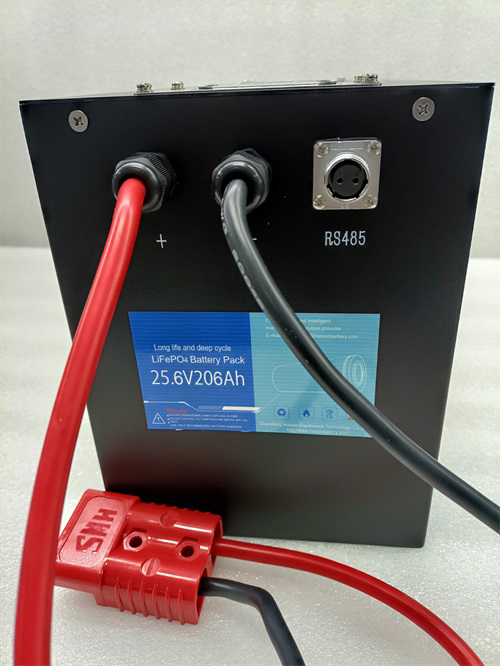
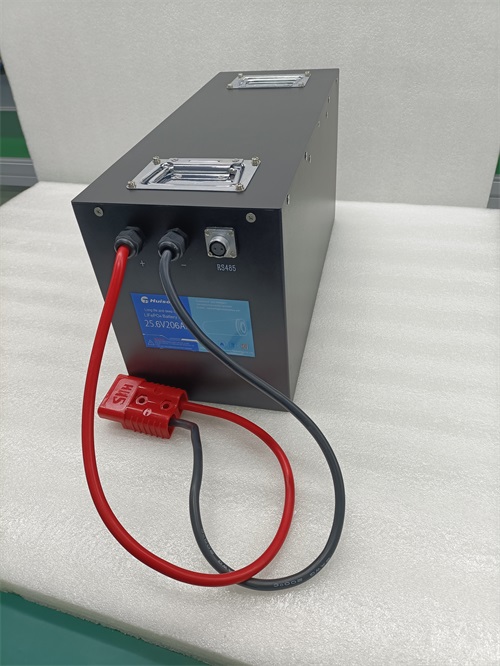
| Feature | Lead-Acid (AGM) | Evlithium LiFePO4 |
|---|---|---|
| Usable Capacity | Only 50% | 100% |
| Weight (Group 31) | ~70 lbs (Heavy) | ~29 lbs (Light) |
| Lifespan | 2 - 3 Years | 10+ Years |
| Voltage Sag | Yes (Slows down as you fish) | No (Constant Power) |
| Warranty | 1 - 2 Years | 10 Years |
To understand why lithium is superior, we must compare it to the traditional alternatives: Wet Cell, Absorbed Glass Mat (AGM), and Gel batteries. While these older technologies have served us well, they suffer from physical and chemical limitations that lithium solves.
The most noticeable difference on the water is power delivery. Lead-acid batteries suffer from significant voltage sag. As you use the battery, the voltage drops. By the time a lead-acid battery is at 50% capacity, the voltage may drop low enough that your trolling motor loses significant thrust. You might notice your boat moving slower at 1:00 PM than it did at 7:00 AM.
Lithium batteries possess a flat voltage curve. They maintain a high, consistent voltage (usually above 13V) until the battery is almost completely drained. This means your trolling motor runs at 100% power whether the battery is fully charged or down to 5% capacity. You get full thrust all day long.
The "Amp Hour" (Ah) rating on a battery label can be misleading. With a lead-acid battery, you can safely use only about 50% of its rated capacity. Discharging it below 50% causes irreversible damage to the lead plates, shortening the battery's life. Essentially, a 100Ah lead-acid battery only gives you 50Ah of usable power.
In contrast, you can safely discharge a lithium battery to nearly 100% without damaging it. A 100Ah lithium battery gives you the full 100Ah of power. Practically speaking, one lithium battery provides the runtime of two lead-acid batteries of the same rating.
Weight is the enemy of boat performance. A standard Group 31 AGM battery weighs roughly 65 to 75 pounds. If you run a 36V trolling motor, you are carrying nearly 225 pounds of dead weight in the back of your boat.
Lithium batteries are significantly lighter, typically weighing between 25 and 30 pounds for the same Group 31 size. switching to lithium can instantly strip 100 to 150 pounds off your boat. This reduction improves your hole shot (acceleration), increases your top speed, and reduces your draft, allowing you to access shallower waters where the big fish hide.
The primary hesitation for most boat owners is the upfront cost. Lithium batteries are undeniably more expensive initially than traditional batteries. However, when you analyze the Cycle Life, lithium becomes the cheaper option over the long term.
A "cycle" is one full discharge and recharge.
Lead-Acid/AGM: Typically lasts 300 to 500 cycles. If you fish frequently, you will likely replace these batteries every 2 to 3 years.
LiFePO4 Lithium: Rated for 3,000 to 5,000 cycles at 80% discharge.
A quality lithium battery can easily last 10 years or more. During the lifespan of a single lithium battery, you might buy and discard three or four sets of lead-acid batteries. When you do the math, the cost per day of fishing is actually lower with lithium.
Safety and reliability are paramount when dealing with high-energy storage. This is where brands like Evlithium stand out. Their batteries come equipped with a sophisticated internal Battery Management System (BMS).
Think of the BMS as the brain of the battery. It constantly monitors cell health, temperature, and current. Its primary functions include:
Overcharge Protection: Prevents the battery from accepting too much voltage.
Thermal Protection: Shuts the battery down if temperatures get too high or too low, preventing damage.
Cell Balancing: Ensures all internal cells charge and discharge at the same rate, maximizing efficiency.
Standard lead-acid batteries lack this intelligence. They are prone to internal shorts, sulfation, and damage from extreme temperatures without any warning. The built-in BMS in lithium batteries acts as a failsafe, protecting your investment.
Modern anglers use sophisticated electronics—fish finders, live scopes, and GPS—that demand clean power. Lithium batteries utilize energy more efficiently than lead-acid counterparts. Because of their low internal resistance, they accept charge current much faster.
While a depleted lead-acid bank might require an overnight charge (8–12 hours) to reach saturation, a lithium bank can often reach a full charge in 2 to 4 hours using a compatible charger. This is a game-changer for tournament anglers who need to charge up quickly between morning and evening sessions, or for multi-day trips where generator time is limited.
The warranty is often the best indicator of a manufacturer's confidence in their product. Traditional marine batteries usually carry a limited 12 to 24-month warranty. Because lead-acid chemistry degrades naturally and quickly, manufacturers cannot promise longevity.
Evlithium and other top-tier lithium manufacturers typically offer a 10-Year Warranty. This decade-long protection underscores the durability of the product. Knowing your power source is guaranteed for the next ten years allows you to focus on casting lines rather than checking voltmeters.
If you view batteries strictly as a consumable item to be bought as cheaply as possible, lead-acid remains a viable option. However, if you view your boat's power system as a performance component, lithium is the clear winner.
By switching to a lithium trolling motor battery, you gain:
Twice the usable power.
One-third of the weight.
Five times the lifespan.
Faster charging and zero maintenance.
The initial price tag buys you more than just a battery; it buys you time. It buys you 100 extra pounds of capacity for gear, faster hole shots, and the confidence that when you kick your trolling motor into high gear at the end of a long day, it will respond with the same power it had at launch. For the dedicated angler, that reliability is priceless.
Q: Can I use my existing lead-acid charger for lithium batteries? A: In a pinch, yes, but it is not recommended. Lead-acid chargers may not charge the lithium battery to 100% capacity or might not wake up the BMS if it trips. For the best performance and longevity, we recommend upgrading to a lithium-compatible charger or an On-Board DC charger with a lithium setting.
Q: Are lithium batteries safe on a boat? A: Yes. We use LiFePO4 (Lithium Iron Phosphate) chemistry, which is the safest type of lithium battery available. It is non-combustible and stable. Additionally, our built-in BMS (Battery Management System) protects against overheating, overcharging, and short circuits.
Q: Will a lithium battery work in freezing temperatures? A: You can discharge (use) the battery in freezing temps with no issue. However, you should not charge a standard lithium battery below freezing (32°F/0°C) unless it has a built-in self-heating function or you warm it up first.
Q: Do I need a special tray for these batteries? A: No. Our batteries are designed to fit standard marine Group sizes (like Group 24, 27, or 31). They will drop right into your existing battery trays—though you might have extra room since they are smaller!
Edit by paco
Last Update:2026-01-24 09:01:34
All Rights reserved © 2026 Evlithium Limited