 |
Welcome To Evlithium Best Store For Lithium Iron Phosphate (LiFePO4) Battery |
 |
When it comes to modern energy storage, zinc-air batteries and lithium-ion batteries are two of the most discussed technologies. Each offers unique strengths and plays a crucial role across different industries—from medical devices to electric vehicles. This comprehensive guide breaks down how they work, their advantages and drawbacks, and how to choose the right battery for your application.
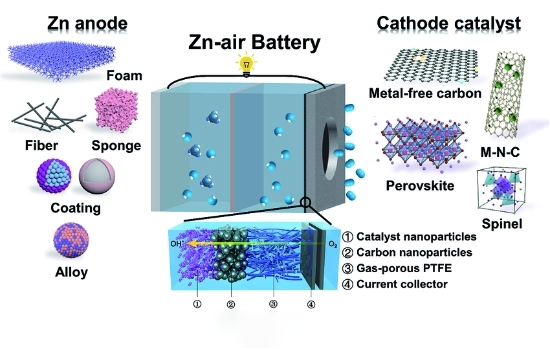
A zinc-air battery generates power using zinc as the anode and oxygen from the surrounding air as the cathode. This design allows it to achieve exceptionally high energy density, making it ideal for compact devices.
High energy density: Up to ~300 Wh/kg
Eco-friendly & economical: Zinc is abundant and low-cost
Best for low-drain devices: Common in hearing aids and small medical tools
Zinc-air batteries rely on an electrochemical reaction between zinc and atmospheric oxygen:
Oxidation – Zinc reacts at the anode and releases electrons.
Reduction – Oxygen at the cathode consumes electrons.
Ion Transfer – Zinc ions travel through the electrolyte, completing the circuit.
This reliance on external oxygen is what makes zinc-air batteries lightweight yet energy-dense.
Are zinc-air batteries rechargeable?
Most zinc-air batteries are non-rechargeable primary cells. Research continues on rechargeable zinc-air systems, but commercial availability remains limited.
How long do zinc-air batteries last?
They typically last several days to a few weeks, depending on humidity and discharge rate.

Lithium-ion batteries are rechargeable power sources widely used in smartphones, electric vehicles, energy storage systems, and more. They offer an excellent balance of energy density, cycle life, and power output.
Discharge: Lithium ions move from the graphite anode to the metal oxide cathode.
Electron Flow: Electrons travel through the external circuit, powering devices.
Recharge: A charger pushes lithium ions back to the anode.
Lithium-ion batteries stand out for their long cycle life, high efficiency, and low self-discharge.
Below is a quick comparison of their key distinctions:
| Feature | Zinc-Air Battery | Lithium-Ion Battery |
|---|---|---|
| Energy Density | Up to 300 Wh/kg | 150–250 Wh/kg |
| Weight | Extremely lightweight | Heavier due to internal materials |
| Rechargeability | Generally not rechargeable | Fully rechargeable |
| Cost | Lower material cost | More expensive |
| Power Output | Low, not suitable for high drain | High power delivery |
| Cycle Life | Single-use | 500–2000 cycles |
| Environmental Impact | Low toxicity | Lithium mining poses ecological challenges |
| Applications | Hearing aids, military gear | EVs, electronics, energy storage |
Exceptional energy density: Ideal for long-lasting low-drain applications
Affordable and sustainable: Made of abundant, non-toxic zinc
Lightweight: Suitable for compact and wearable devices
Rechargeable with long cycle life: Perfect for devices used daily
High power output: Supports EVs, power tools, and energy storage
Well-established technology: Highly reliable and widely available
Non-rechargeable: Most options are single-use
Sensitive to humidity: Moisture affects performance and lifespan
Low power output: Not suitable for fast-draining or high-current devices
Higher cost: More expensive to manufacture
Environmental concerns: Lithium extraction impacts the ecosystem
Temperature sensitivity: Extreme temperatures affect performance and safety
Hearing aids: Lightweight and long-lasting
Military devices: Reliable low-drain power
Medical devices: Ideal for consistent, low-power demands (e.g., sensors)
Consumer electronics: Phones, laptops, tablets
Electric vehicles: High power and long cycle life
Solar and renewable energy storage: Efficient for home and grid systems
When choosing the right battery type, consider these factors:
High-drain devices: Choose lithium-ion
Low-drain devices: Zinc-air is more suitable
If multiple charge cycles are required, lithium-ion is the clear winner.
Zinc-air offers lower cost and better sustainability compared to lithium-ion.
“All zinc-air batteries can be recharged.”
False—almost all consumer zinc-air cells are single-use.
“Lithium-ion is always lighter.”
Not true—zinc-air batteries are lighter by chemistry but may differ in form factor.
Are zinc-air batteries safer than lithium-ion?
Generally yes. Zinc-air batteries use non-toxic materials and do not pose a fire risk. Lithium-ion requires protections against overheating and thermal runaway.
Can zinc-air batteries be recharged?
Most are not rechargeable. Rechargeable versions are still in development.
How long does a zinc-air battery last?
Typically between several days and a few weeks, depending on humidity and usage.
How do I recycle zinc-air batteries?
They can be taken to local battery recycling facilities. Check your local recycling programs for drop-off guidelines.
By understanding the strengths and limitations of both zinc-air and lithium-ion batteries, you can confidently select the right power source for your application. Whether you're supporting medical devices, building consumer electronics, or designing energy storage systems, choosing the right battery technology ensures optimal performance, safety, and cost efficiency.
Edit by paco
Last Update:2025-11-27 15:31:01
All Rights reserved © 2026 Evlithium Limited