 |
Welcome To Evlithium Best Store For Lithium Iron Phosphate (LiFePO4) Battery |
 |
LiFePO4 (Lithium Iron Phosphate) is a type of lithium-ion battery known for its exceptional safety, thermal stability, and long lifespan (up to 4,000+ cycles). Unlike traditional lead-acid or NMC batteries, it does not use cobalt, making it more eco-friendly and resistant to thermal runaway. It is the gold standard for RVs, solar storage, and EVs in 2026.
LiFePO4 batteries (or lithium-ion phosphate batteries) are one of the most popular battery technologies in use today. With their lightweight design, long life cycles and superior performance in extreme conditions, they offer several advantages over traditional lead acid and nickel-cadmium batteries. But what is a LiFePO4 battery exactly and why has it gained so much popularity?
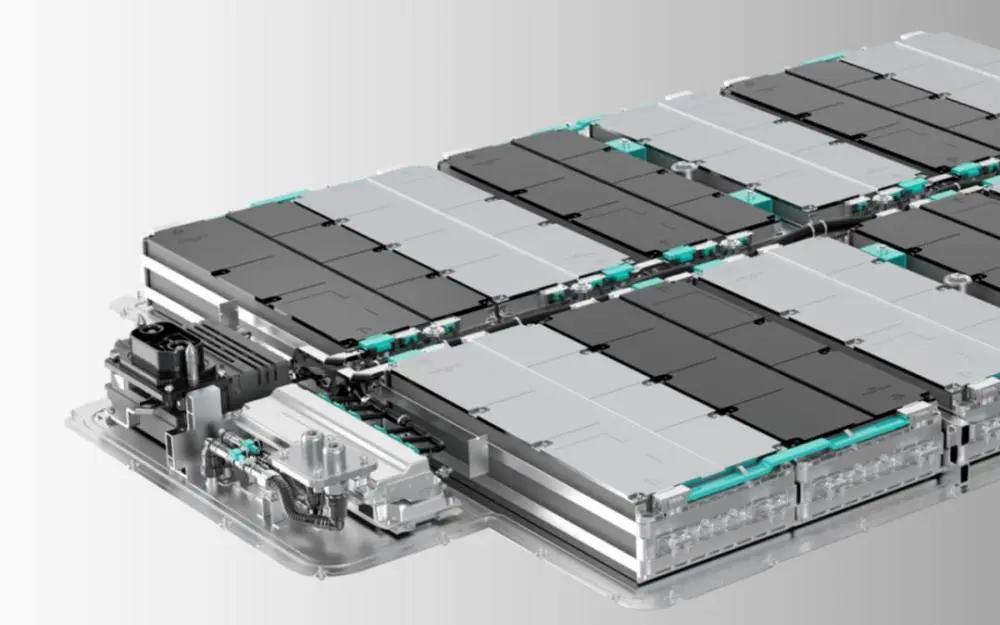
LiFePO4 (lithium iron phosphate) refers to the chemical composition of the battery’s cathode. As opposed to other Lithium-Ion batteries which use graphite as an anode material, LiFePo4 uses a robust electrolyte chemistry that can provide up to 2000 cycles or more with little maintenance. The combination of these two factors makes them much more resistant to aging and helps increase their overall lifespan while still providing high energy output.
| Feature | LiFePO4 (LFP) | Lead-Acid (AGM) | Li-ion (NMC) |
|---|---|---|---|
| Cycle Life (80% DOD) | 3,000 - 5,000+ | 300 - 500 | 800 - 2,000 |
| Nominal Voltage | 3.2V / Cell | 2.0V / Cell | 3.7V / Cell |
| Safety Risk | Extremely Low (Stable) | Acid Leakage | Thermal Runaway Risk |
| Energy Density | 90-160 Wh/kg | 30-50 Wh/kg | 150-250 Wh/kg |
Aside from their impressive longevity, there are several other benefits associated with using a LiFePo4 battery:
Lightweight – compared to lead acid or even NiCad batteries, LiFePo4 are significantly lighter in weight;
Maintenance free – unlike other types of chemistries, they require no routine maintenance;
Efficient – they have very low self-discharge rates which means they retain their charge for longer periods of time;
Safe – thanks to the advanced technology employed in their manufacture, they are also non-explosive which makes them safer than other types of chemistries;
Durable – due to their high cycle life and excellent temperature resistance, you can expect your LiFePo4 battery to last for years without any decrease in performance.
Ready to Switch to Lithium? Don't compromise on safety. Explore our premium selection of [Grade A LiFePO4 Cells & Packs] tailored for your RV, Boat, or Solar System. 👉 View LiFePO4 Catalog
Lithium Iron Phosphate batteries have become increasingly popular due to their numerous advantages over traditional battery technologies. Their light weight & maintenance free design coupled with excellent performance & safety records make them ideal for numerous applications ranging from consumer electronics right throught o industrial & automotive solutions.
Never charge a LiFePO4 cell above 3.65V. Unlike standard Li-ion (which goes to 4.2V), overcharging LFP cells can permanently damage the electrolyte structure. Always use a dedicated LiFePO4 Charger or a BMS tailored for 3.2V nominal voltage.
They typically last between 3,000 to 5,000 cycles at 80% depth of discharge (DOD). If used daily, this translates to roughly 10+ years of service life.
For stationary storage and safety, yes. LiFePO4 is thermally more stable and has a longer lifespan. However, standard Lithium-ion (NMC) is better for applications requiring ultra-light weight and limited space (like phones).
Generally, no. Lead-acid chargers often have a desulfation mode that applies high voltage spikes, which can destroy the BMS or cells of a LiFePO4 battery.
Edit by editor
Last Update:2026-01-29 11:08:23
All Rights reserved © 2026 Evlithium Limited