 |
Welcome To Evlithium Best Store For Lithium Iron Phosphate (LiFePO4) Battery |
 |
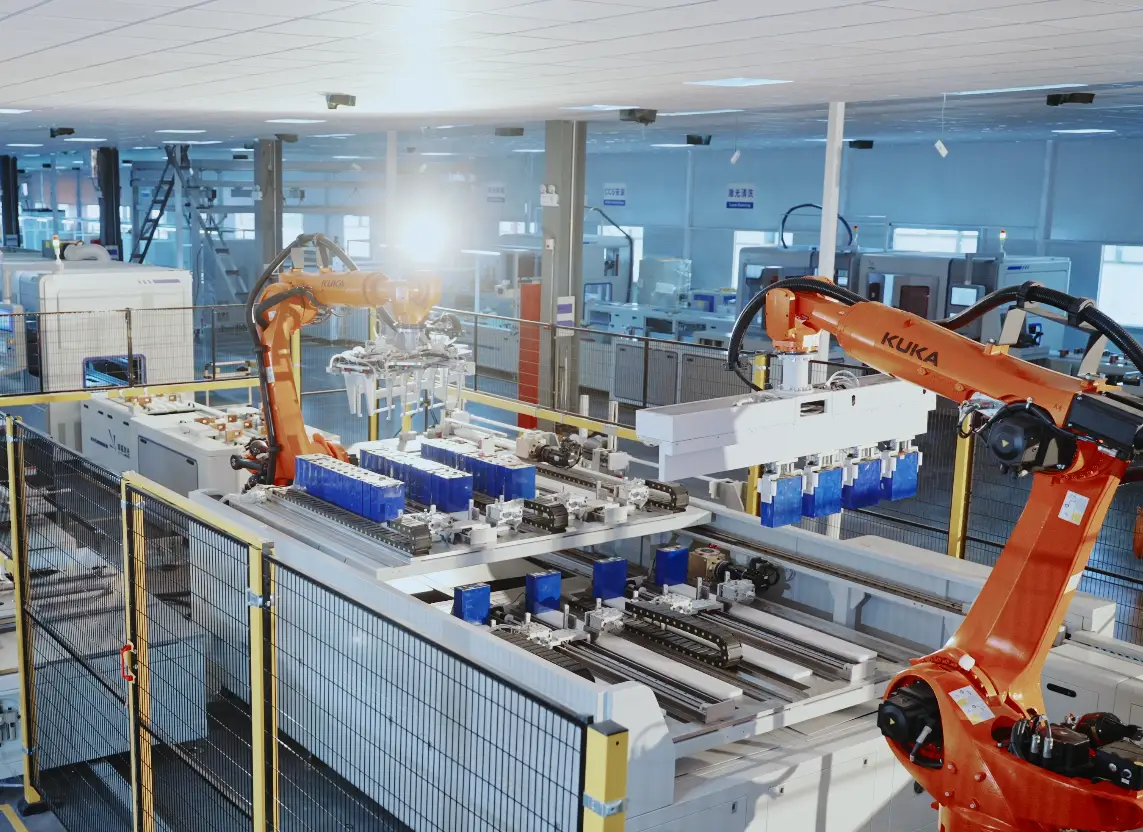
Lithium battery cells are the backbone of modern energy storage, powering electric vehicles, consumer electronics, and renewable energy systems. The lithium-ion battery manufacturing process involves multiple highly controlled steps to ensure performance, safety, and longevity.
The process begins with mixing raw materials such as active materials, conductive agents, binders, and solvents. These components are blended under controlled temperature, vacuum, and stirring conditions to form a uniform slurry with precise viscosity and particle size.
The prepared slurry is coated onto metal current collectors using methods like slot-die coating or scraper coating. After coating, the material is dried to remove solvents and form solid electrode layers.
Electrodes are compressed using rollers to improve density and reduce internal resistance. This step enhances energy density while maintaining proper porosity for electrolyte absorption.
Wide electrode sheets are cut into narrower strips with high precision. Proper tension and blade quality ensure smooth edges and consistent dimensions.
Tabs are formed by cutting electrode edges, providing connection points for electrical current flow in the final battery.
Electrodes and separators are assembled into a cell structure. Cylindrical cells typically use winding, while pouch cells often use stacking. Proper alignment prevents short circuits.
Moisture is removed through vacuum baking to prevent harmful chemical reactions. This step is essential for battery safety and long-term stability.
Tabs are welded using ultrasonic technology, ensuring strong and stable electrical connections without damaging materials.
Cells are enclosed in cylindrical, prismatic, or pouch packaging. Pouch cells use aluminum-plastic films, while others use metal casings. Proper sealing prevents leakage and contamination.
Leak tests using vacuum or helium methods ensure the cell is properly sealed and protected from moisture and impurities.
Electrolyte is injected into the cell to allow lithium ions to move between electrodes. Precise control ensures uniform distribution.
The first charge-discharge cycle activates the battery and forms the SEI layer, which stabilizes performance and enhances lifespan.
Batteries undergo aging to stabilize internal chemistry. Final tests include resistance, voltage, and capacity checks before shipment.
The lithium battery manufacturing process is a complex and precise operation. Each stage—from mixing to aging—plays a critical role in determining battery quality, safety, and efficiency. As technology advances, manufacturing techniques continue to evolve for higher performance and lower cost.
Edit by paco
Last Update:2026-04-13 11:57:15
All Rights reserved © 2026 Evlithium Limited