 |
Welcome To Evlithium Best Store For Lithium Iron Phosphate (LiFePO4) Battery |
 |
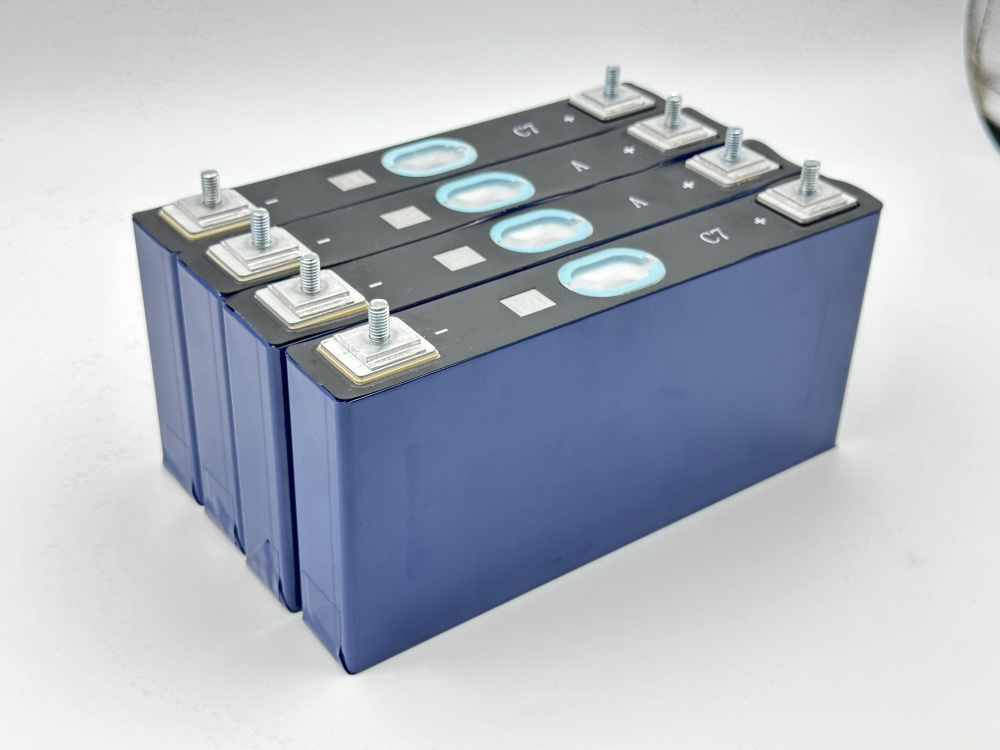
When it comes to lithium-ion batteries, two names tend to dominate the conversation: Lithium Iron Phosphate (LFP) and Nickel Manganese Cobalt (NMC). Both have carved out substantial followings in various industries, but the big question remains—who comes out on top?
| Feature | LFP Battery (LiFePO4) | NMC Battery |
|---|---|---|
| Cycle Life (Longevity) |
3,000 - 6,000+ Cycles Lasts 10+ Years |
800 - 2,000 Cycles Lasts 3-5 Years |
| Safety (Thermal Runaway) |
Extremely Safe High flashpoint (500°C) |
Moderate Risk Lower flashpoint (210°C) |
| Cost (2026 Trend) | Most Affordable Best ROI for Storage |
Higher Cost Contains Cobalt/Nickel |
| Energy Density | Lower (Heavier) ~160 Wh/kg |
High (Lighter) ~250 Wh/kg |
| Nominal Voltage | 3.2V | 3.6V / 3.7V |
| Best Application | Home Solar, RV, Marine, Golf Carts | High-Performance EVs, Portable Electronics |
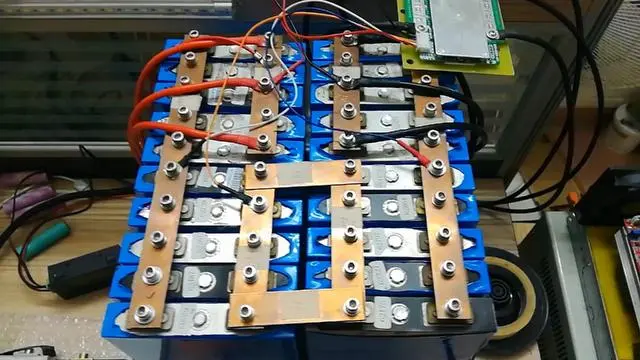
Let’s break it down. LFP batteries use lithium iron phosphate as the cathode material, providing a steady voltage of about 3.2V. These batteries are becoming increasingly common in household energy storage systems and solar setups, primarily due to their strong safety profile.
On the other hand, NMC batteries are composed of a blend of nickel, cobalt, and manganese for the cathode, with graphite on the anode side. They typically offer a higher voltage around 3.7V, which makes them a favorite in the electric vehicle (EV) industry—think Tesla and BYD.
Now, let's dive into the specifics that set these two battery types apart.
The cost is usually the first thing people look at. Generally speaking, NMC batteries are more expensive than LFP batteries. This comes down to the raw materials—nickel, cobalt, and manganese are pricier than iron and phosphorus, which are more abundant. However, the manufacturing process for LFP batteries is more complex, making them not exactly cheap either. On average, you can expect NMC batteries to be about 20% more expensive than their LFP counterparts for the same capacity.
Energy density is where NMC batteries shine. They pack more energy per unit of weight, which translates to better performance, especially in applications like EVs where acceleration and range are critical. However, for energy storage applications, LFP batteries often make more sense. They may have lower energy density, but they excel in endurance.
Temperature tolerance varies between the two. NMC batteries are relatively well-balanced, functioning well in both low and high temperatures. LFP batteries, however, handle heat better but struggle in cold conditions. Below 0°C, their performance drops by 10-20%, and at -20°C, they’re only operating at about 60% capacity. This is a significant consideration for those in colder climates.
When it comes to safety, LFP batteries take the crown. Their chemical and structural stability makes them highly resistant to overheating, even under extreme conditions like punctures or high impacts. The worst you might get is some smoke. NMC batteries, while generally safe, are more prone to catching fire or exploding under similar circumstances, particularly at high temperatures.
In terms of durability, LFP batteries are the clear winners. NMC batteries typically last for about 800 cycles, which is sufficient for most high-power applications. However, LFP batteries can easily surpass 3,000 cycles, and with proper care, some can even reach up to 6,000 cycles. This makes them particularly appealing for long-term energy storage solutions.
With proper use, LFP batteries can last over a decade. NMC batteries, primarily used in high-demand scenarios, tend to have a shorter service life of around 2 to 3 years. For those prioritizing longevity, LFP is the way to go.
The answer isn’t black and white. Both LFP and NMC batteries have their strengths and weaknesses. LFP batteries trade off some performance for greater safety and longevity, while NMC batteries offer higher performance at the expense of some safety and lifespan.
The “winner” really depends on your specific needs. If you’re looking for high performance, especially in applications like EVs, NMC is likely your best bet. But if you prioritize longevity and safety—especially for DIY projects or energy storage—LFP batteries are the clear choice.
In the end, whether you go with LFP or NMC, it’s all about matching the battery to your needs. For most everyday uses, especially in energy storage, LFP batteries are hard to beat for their combination of durability and safety.
It depends on your application. For home energy storage, RVs, and marine use, LFP (LiFePO4) is better due to its superior safety and 10+ year lifespan. For high-performance EVs needing long range in a small space, NMC is better because of its higher energy density.
Yes. LFP batteries have a much more stable chemical structure. They are extremely resistant to thermal runaway and will not catch fire even if punctured. NMC batteries are generally safe but have a lower thermal runaway temperature, making them riskier in extreme heat.
LFP batteries use iron and phosphate, which are abundant and inexpensive earth materials. NMC batteries require Cobalt and Nickel, which are scarce, expensive, and subject to volatile market prices. This makes LFP the more cost-effective choice for large battery banks.
You need to be careful. While possible, LFP has a lower nominal voltage (3.2V) compared to NMC (3.6V/3.7V). This means you cannot simply swap them without checking if your inverter or BMS (Battery Management System) is compatible with LFP charging profiles.
Edit by paco
Last Update:2026-01-15 11:00:56
All Rights reserved © 2026 Evlithium Limited