 |
Welcome To Evlithium Best Store For Lithium Iron Phosphate (LiFePO4) Battery |
 |
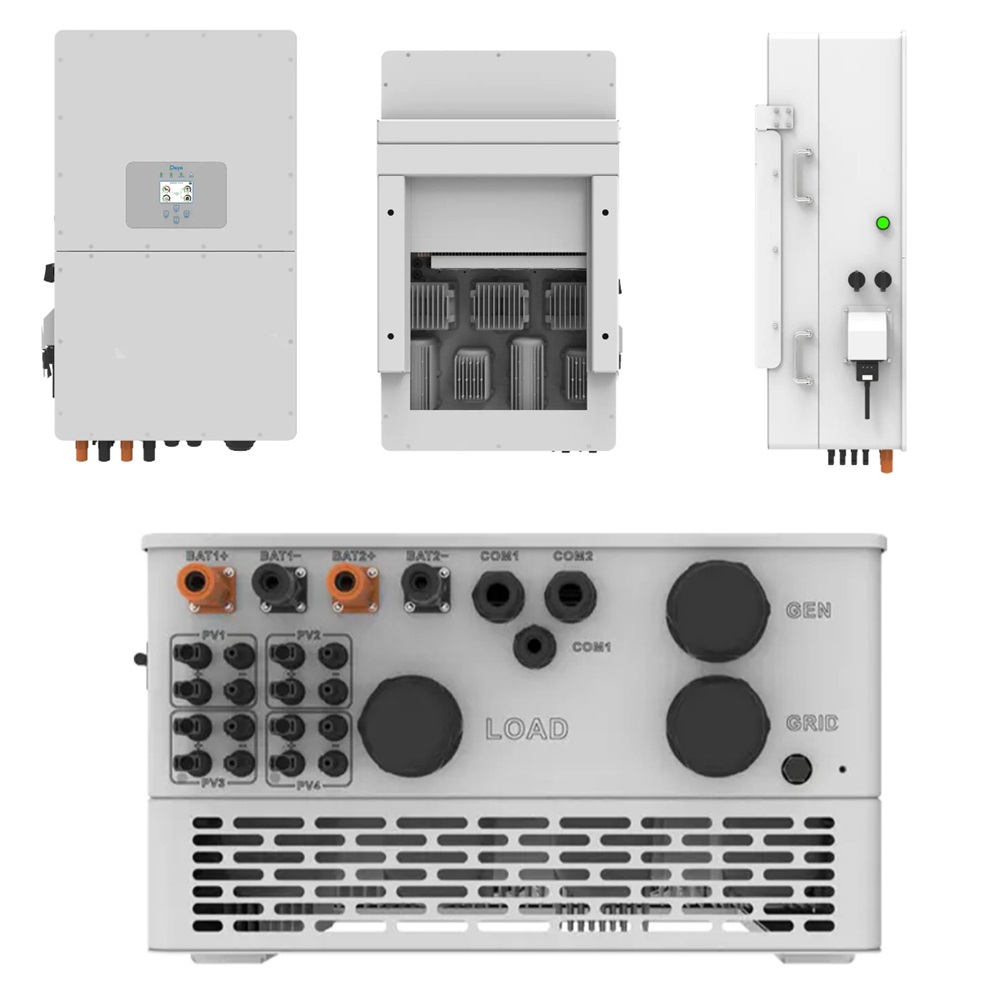
Understanding the difference between an inverter and a converter is essential for anyone living off-grid, traveling in an RV, or building a reliable solar or backup power system. Although these terms are often used interchangeably, they serve very different purposes. Choosing the wrong device can lead to inefficiency, damaged electronics, or wasted money.
This in-depth guide clearly explains what inverters and converters do, how AC and DC power differ, and which solution fits your specific power needs. Whether you are boondocking, upgrading your camper electrical system, or designing a home solar setup, this article will help you make a confident, informed decision.
A converter typically converts AC power to DC power or adjusts DC voltage levels.
An inverter converts DC power to AC power.
If your power source is a battery or solar panel and your appliances require AC power, you need an inverter.
If your power source is AC (shore power or grid) and your devices or batteries need DC power, you need a converter.
Most RVs and off-grid systems use both devices to create a complete power solution.
Before diving deeper, it’s important to understand the difference between alternating current (AC) and direct current (DC).
AC power, or alternating current, is the standard electricity supplied by utility grids. Power plants generate AC electricity and distribute it over long distances through transmission lines. Homes and businesses rely on AC power to operate appliances such as refrigerators, microwaves, televisions, and air conditioners.
The main advantage of AC power is its efficiency in long-distance transmission. However, AC electricity cannot be stored, which means it must be generated continuously to meet demand.
DC power, or direct current, flows in one direction—from negative to positive. Batteries, solar panels, and fuel cells all produce DC power. Unlike AC, DC electricity can be stored, making it ideal for off-grid living, RV camping, and backup power systems.
Because most household appliances require AC power, DC electricity often needs conversion before use. This is where inverters and converters become essential.
A power converter is an electronic device that modifies electrical power to meet specific voltage, current, or format requirements. In most applications, converters transform AC power into DC power, but they can also regulate voltage levels within DC systems.
Converters do far more than simple AC-to-DC conversion. Their key functions include:
Voltage Regulation: Steps voltage up or down to match device requirements
Battery Charging: Converts shore power or grid electricity into DC power for charging batteries
Power Stabilization: Delivers consistent, regulated output to protect sensitive electronics
Multiple Outputs: Supplies different DC voltages from a single power source
Polarity Control: Ensures correct current direction for specialized applications
Converters are widely used in:
RV and camper power centers
Battery chargers
Telecommunications equipment
Industrial machinery
Consumer electronics power supplies
If your system relies on DC-powered devices or batteries but draws energy from an AC source, a converter is essential.
An inverter is an electronic device that converts DC electricity into AC electricity. It allows you to operate standard household appliances using power from batteries, solar panels, or other DC sources.
An inverter takes DC input, processes it through advanced electronic circuits, and outputs AC power at the required voltage and frequency. This process enables seamless operation of AC appliances even when no grid power is available.
Inverters differ in the quality of AC power they produce:
Pure Sine Wave Inverter:
Produces clean, grid-quality power. Ideal for sensitive electronics, medical equipment, and modern appliances.
Modified Sine Wave Inverter:
More affordable and suitable for many household devices, but may cause inefficiencies or noise in sensitive electronics.
Square Wave Inverter:
Basic and inexpensive, but inefficient and rarely used in modern systems.
Inverters are critical in:
Solar power systems
RVs and camper vans
Off-grid cabins
Backup power and UPS systems
Electric vehicles and industrial drives
Although both devices manage power, they serve opposite roles.
A converter adapts incoming power—usually converting AC to DC or adjusting DC voltage levels.
An inverter enables stored DC power to run AC appliances.
Both devices experience some efficiency loss. Converters may lose energy during voltage regulation, while inverters typically lose about 2–5% of energy during DC-to-AC conversion.
| Feature | Converter | Inverter |
|---|---|---|
| Primary Function | Converts AC to DC or regulates DC voltage | Converts DC to AC |
| Power Direction | AC → DC or DC → DC | DC → AC |
| Common Applications | Battery charging, DC appliances | Solar systems, RVs, backup power |
| Efficiency Loss | Depends on voltage regulation | Typically 2–5% |
| Typical Devices | Power supplies, converters | Household appliances, electronics |
Inverters can be classified by input source, output configuration, and waveform quality.
Voltage Source Inverters (VSI): Maintain stable output voltage
Current Source Inverters (CSI): Maintain stable output current
Single-Phase Inverters: Used in homes and RVs
Three-Phase Inverters: Used in industrial and commercial systems
Pure sine wave inverters dominate modern applications due to efficiency and compatibility.
Converters are categorized by input and output type:
AC to DC Converters (Rectifiers): Battery chargers and electronics
DC to DC Converters: Voltage regulation in solar systems and EVs
AC to AC Converters: Voltage stabilizers and regulators
DC to AC Converters: Technically inverters, enabling AC output from DC sources
Inverters convert solar-generated DC power into AC electricity for household use. Converters charge battery banks when grid or generator power is available.
Converters power 12V DC systems and charge batteries from shore power. Inverters run AC appliances while boondocking.
Electric vehicles use inverters to power motors. Industrial systems rely on both devices for motor control, automation, and power management.
Choose a converter if you need to:
Charge batteries from AC power
Run DC appliances from shore power
Supply regulated DC voltage
Power electronics safely
Choose an inverter if you need to:
Run AC appliances from batteries
Build a solar power system
Create backup power during outages
Live off-grid with modern comforts
In most cases, using both provides the most flexible and reliable power system.
Most RVs include a converter as standard equipment. Many higher-end models also include an inverter or inverter-charger.
A 100Ah 12V battery typically lasts 30–45 minutes at full load. Actual runtime depends on battery condition and power usage.
Yes. The converter charges batteries from AC power, while the inverter powers AC appliances from those batteries.
Absolutely. Many systems integrate both devices or use a combined inverter-charger for efficiency and convenience.
Inverters and converters are not competitors—they are complementary tools. Inverters make DC power usable for everyday AC appliances, while converters ensure batteries and DC devices receive stable, regulated power.
For RV owners, solar users, and off-grid enthusiasts, combining both creates a complete, reliable energy solution. Before purchasing, evaluate your appliances, power sources, and usage habits. With the right inverter and converter setup, you can enjoy dependable electricity wherever life takes you—on or off the grid.
Edit by paco
Last Update:2025-12-23 10:21:01
All Rights reserved © 2026 Evlithium Limited