 |
Welcome To Evlithium Best Store For Lithium Iron Phosphate (LiFePO4) Battery |
 |
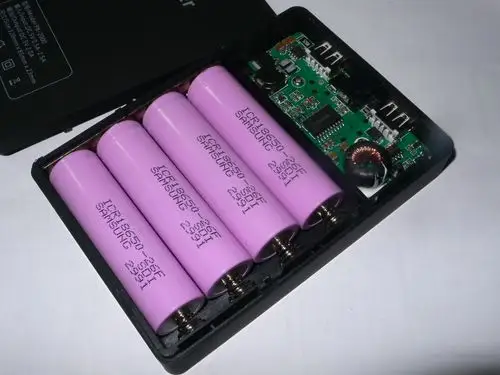
The 18650 lithium-ion battery has become one of the world's most widely used rechargeable battery formats, powering everything from power tools and laptops to electric vehicles, medical equipment, industrial devices, and energy storage systems. Despite its excellent energy density and long service life, improper charging practices can significantly reduce battery lifespan and even create serious safety hazards.
Understanding how to charge 18650 lithium-ion batteries safely is essential for both individual users and OEM battery pack manufacturers. This comprehensive guide explains battery terminal identification, charging procedures, safety precautions, Battery Management System (BMS) protection, charger selection, and best practices that maximize battery performance while minimizing risks. The recommendations below are based on the source material provided.
Lithium-ion cells store a significant amount of energy within a compact size. When charged correctly, they deliver:
However, incorrect charging methods can result in:
Following proven charging guidelines helps extend battery life while ensuring safe operation.
Before charging any lithium-ion battery, correctly identifying the positive and negative terminals is critical.
Most 18650 batteries feature:
The raised terminal makes installation easier while helping prevent reverse polarity.
The negative side usually includes:
Some flat-top batteries may appear similar on both ends, making visual inspection alone insufficient.
When battery markings are unclear, use a digital multimeter.
Never guess battery orientation. Incorrect installation may damage both the battery and the connected device.
Not every charger is suitable for lithium-ion cells.
A quality 18650 lithium battery charger should support the industry-standard Constant Current / Constant Voltage (CC/CV) charging profile, which safely manages both charging stages and protects battery health.
Using chargers designed for other battery chemistries can permanently damage lithium-ion cells.
Following a structured charging process minimizes risk and maximizes battery life.
Before charging, examine the battery carefully.
Do not charge batteries showing:
Damaged batteries should be recycled instead of reused.
Ensure the battery's positive and negative terminals align with the charger's polarity markings.
Reverse installation can damage both the charger and the battery.
Maintain an appropriate charging environment:
Never leave charging batteries unattended for extended periods.
Although many modern chargers automatically stop charging, promptly removing fully charged batteries reduces unnecessary heat exposure and helps preserve long-term capacity.
Temperature greatly affects lithium-ion battery performance.
0°C to 45°C (32°F to 113°F)
Charging outside this range increases battery degradation.
Cold charging may cause:
Excessive heat may lead to:
Always follow the battery manufacturer's specified charging limits.
Safe charging is only part of maintaining lithium-ion batteries.
For maximum service life:
These habits significantly reduce capacity loss over hundreds of charging cycles.
Many modern 18650 batteries include an integrated Protection Circuit Board (PCB).
These circuits continuously monitor battery conditions and disconnect power if unsafe conditions occur.
Protection features include:
Protected batteries provide an additional layer of safety, particularly for consumer products and custom battery packs.
| Feature | Protected Battery | Unprotected Battery |
|---|---|---|
| Built-in Safety Circuit | Yes | No |
| Overcharge Protection | Yes | No |
| Short Circuit Protection | Yes | No |
| Temperature Protection | Yes | No |
| Safety Level | High | Lower |
| Physical Size | Slightly Longer | Standard |
| Typical Users | General Consumers | Experienced Users |
Protected batteries are recommended whenever safety is the highest priority.
Avoid these common errors:
Preventing these mistakes greatly reduces the likelihood of battery failure.
Before connecting your battery:
This simple routine dramatically improves charging safety.
For industrial equipment, robotics, medical devices, energy storage systems, and OEM products, charging safety depends on more than just selecting the correct charger. Proper battery pack engineering—including cell chemistry selection, Battery Management System (BMS) integration, charger matching, voltage configuration, connector design, and certification support—is equally important. The source material notes that EVLithium provides customized battery pack solutions with these considerations in mind.
Charging 18650 lithium-ion batteries safely requires careful attention to battery identification, charger compatibility, operating temperature, and protection systems. By following proper installation procedures, using high-quality CC/CV chargers, monitoring charging conditions, and selecting protected batteries whenever possible, users can significantly improve safety while extending battery service life.
Whether you are maintaining a single rechargeable cell or designing a complex battery pack for industrial applications, adopting these best practices helps ensure reliable performance, minimizes failure risks, and maximizes the long-term value of every 18650 lithium-ion battery.
Edit by paco
Last Update:2026-08-06 09:28:12
All Rights reserved © 2026 Evlithium Limited