 |
Welcome To Evlithium Best Store For Lithium Iron Phosphate (LiFePO4) Battery |
 |
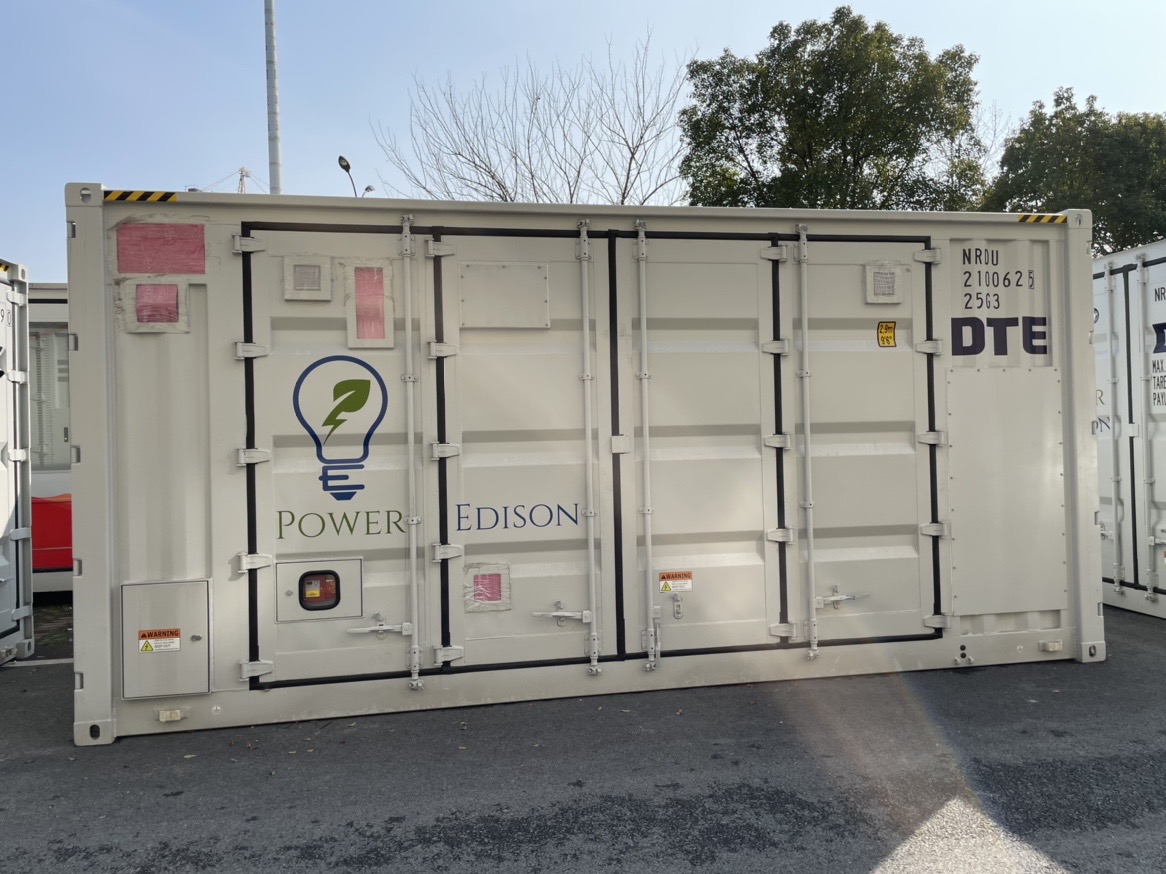
As the global demand for renewable energy and commercial battery storage continues to surge, Battery Energy Storage Systems (BESS) have become the backbone of modern energy infrastructure. Many newcomers assume that the quality of an energy storage system depends solely on its battery. In reality, a reliable and profitable commercial and industrial energy storage system is built upon the seamless integration of seven critical subsystems.
Each module plays a unique role in ensuring efficient energy storage, operational safety, long service life, and maximum return on investment (ROI). Understanding these components provides valuable insight when selecting, designing, or operating a battery energy storage system.
The battery system is the heart of every energy storage solution. It represents the largest portion of system cost and serves as the only component capable of storing electrical energy.
Like the human body's muscles, the battery system determines how much energy can be stored, how long the system can discharge, and its overall endurance.
A commercial battery system follows a hierarchical design:
Large-scale commercial cabinets and containerized BESS typically consist of dozens or even hundreds of standardized battery packs working together.
Every battery pack includes a sophisticated Battery Management System (BMS).
The BMS continuously monitors:
Its primary responsibilities include preventing overcharging, over-discharging, overheating, and cell imbalance—all of which can shorten battery life or trigger thermal runaway.
Ultimately, battery quality, cell consistency, and BMS intelligence directly determine battery lifespan, safety, and overall system reliability.
While batteries store DC (Direct Current) electricity, factories, commercial buildings, renewable energy systems, and utility grids operate using AC (Alternating Current).
This mismatch makes the Power Conversion System (PCS) indispensable.
Unlike traditional inverters, modern PCS units support bidirectional power conversion.
During charging:
During discharging:
Without PCS technology, stored energy would remain inaccessible.
A high-performance PCS provides:
Low-quality PCS equipment increases operating losses and can negatively impact the stability of the entire energy storage project.
Hardware enables energy storage to function.
The Energy Management System (EMS) determines whether it operates efficiently and profitably.
Often described as the "brain" of the storage system, EMS analyzes real-time operational data and automatically optimizes charging and discharging strategies.
Instead of relying on simple peak-valley pricing schedules, EMS continuously evaluates:
Based on advanced optimization algorithms, EMS automatically determines the most economical operating strategy.
An intelligent EMS can:
Additionally, EMS coordinates with BMS, PCS, thermal management, and fire protection systems to respond immediately to abnormal operating conditions, improving both profitability and safety.
The power distribution system is often overlooked by beginners but is one of the most important engineering components within an energy storage system.
It manages the complete flow of electrical power while protecting equipment from electrical faults.
Typical distribution systems include:
These components ensure safe and efficient power transmission throughout the entire system.
A properly engineered distribution system provides:
Industry professionals often observe that many operational failures originate not from the batteries themselves but from poorly designed electrical distribution systems.
Battery performance is highly sensitive to temperature.
Excessive heat, freezing conditions, or uneven temperature distribution can significantly reduce battery efficiency and accelerate degradation.
The thermal management system maintains optimal operating conditions throughout the battery enclosure.
Effective thermal management:
Stable operating temperatures dramatically improve battery lifespan.
Commercial energy storage systems typically use one of two cooling technologies.
Advantages:
Limitations:
Benefits include:
For modern commercial and utility-scale BESS installations, liquid cooling has become the preferred solution.
Because battery energy storage systems contain large amounts of stored energy, comprehensive fire protection is essential.
However, modern fire protection is designed primarily for early detection and prevention, rather than extinguishing large fires after they occur.
The fire protection system continuously monitors:
If an abnormal condition is detected, the system immediately:
Commercial storage systems commonly use clean-agent suppression systems such as:
These systems extinguish fires quickly without damaging sensitive electrical equipment.
Safety always takes precedence over financial returns, making fire protection one of the most critical components of any BESS installation.
The final core component is the energy storage enclosure.
Whether installed inside standardized cabinets or containerized energy storage systems, the enclosure serves far more than a cosmetic purpose.
A high-quality enclosure provides:
Commercial energy storage systems frequently operate outdoors under harsh environmental conditions, including extreme temperatures, humidity, rain, and direct sunlight.
A robust enclosure protects internal equipment while ensuring efficient cooling, convenient maintenance, and long-term reliability.
An industrial battery energy storage system is far more than a collection of lithium batteries.
It is a carefully engineered integration of seven interconnected systems:
Each subsystem depends on the others. Weakness in any single module can reduce efficiency, shorten battery life, compromise safety, or diminish the financial performance of the entire project.
As commercial and industrial energy storage continues to expand worldwide, understanding the architecture of a Battery Energy Storage System (BESS) is essential for investors, engineers, project developers, and facility operators.
While batteries remain the foundation of energy storage, true system performance comes from the coordinated operation of seven integrated subsystems. Advanced battery technology, intelligent energy management, efficient power conversion, reliable electrical protection, precise thermal control, comprehensive fire safety, and durable structural engineering all contribute to a storage system that is safe, efficient, and profitable.
For anyone entering the energy storage industry, mastering these seven core components provides the knowledge needed to evaluate suppliers, compare technologies, optimize project performance, and make informed investment decisions.
Edit by paco
Last Update:2026-07-16 08:12:59
All Rights reserved © 2026 Evlithium Limited