
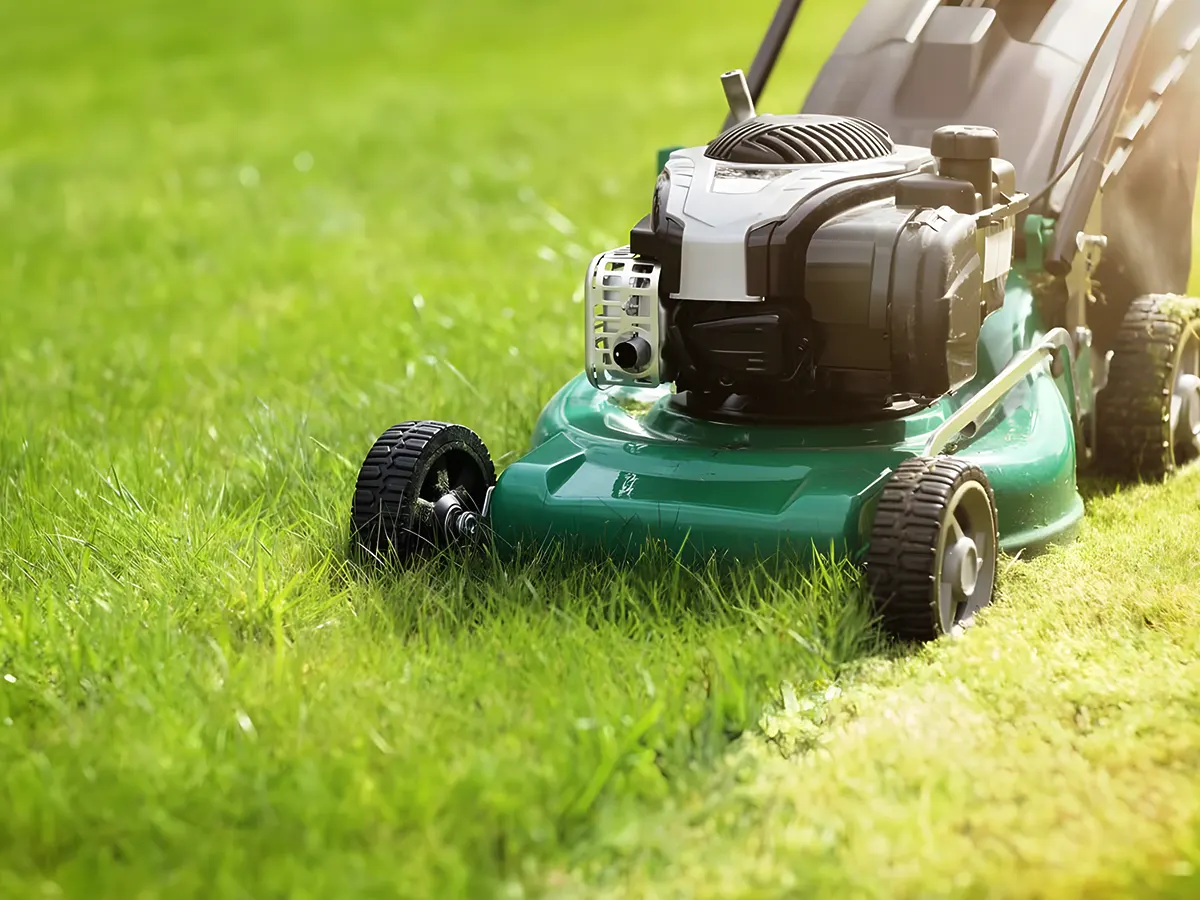
Selecting the right riding mower battery is essential for maximizing performance, reliability, and long-term cost efficiency. The battery powers every function of your mower, and choosing the wrong one can lead to reduced runtime, poor starting performance, or even equipment damage. With rapid advancements in battery technology, understanding your options is more important than ever.
Understanding Riding Mower Battery Types
Lead-Acid Batteries: Affordable and Reliable
Lead-acid batteries are widely used due to their affordability and proven reliability. They are available in flooded and sealed versions, offering flexibility based on maintenance preferences.
- Cost-effective for budget-conscious users
- Reliable power output for standard mowing tasks
- Compatible with most riding mower models
However, they are heavier and have a shorter lifespan compared to newer technologies. They may also require maintenance and struggle in cold weather conditions.
Lithium-Ion Batteries: High Performance and Longevity
Lithium-ion batteries offer superior performance, making them the preferred choice for modern riding mowers.
- Long lifespan of up to 10 years
- Fast charging reduces downtime
- Lightweight design improves maneuverability
- Consistent power output throughout usage
These batteries also support eco-friendly practices by reducing energy consumption and waste.
AGM Batteries: Durable and Maintenance-Free
AGM (Absorbent Glass Mat) batteries are designed for durability and tough environments.
- Excellent resistance to vibration and shock
- Maintenance-free sealed design
- Reliable in rugged terrain
They are ideal for professional or heavy-duty applications where durability is critical.
Key Technical Specifications to Consider
Voltage Requirements
Most riding mowers operate on 12V or 24V systems. Using the correct voltage ensures compatibility and prevents damage to your mower’s electrical system.
Ampere-Hour (Ah) Rating
The Ah rating determines how long your battery can provide power before recharging.
- Higher Ah means longer runtime
- Ideal for large lawns or extended use
- Common standard: 12V 35Ah
Cold Cranking Amps (CCA)
CCA measures the battery’s ability to start in cold temperatures. A higher CCA ensures reliable performance in colder climates.
Advantages of Lithium-Ion Mower Batteries
Extended Lifespan
Lithium-ion batteries last significantly longer than traditional options, reducing replacement frequency and maintenance costs.
Lightweight Design
The reduced weight improves mower handling, decreases operator fatigue, and enhances efficiency.
Fast Charging and High Efficiency
These batteries charge quickly and deliver consistent power output, allowing for uninterrupted mowing operations.
Tips for Choosing the Right Lawn Mower Battery
Follow Manufacturer Guidelines
Always refer to your mower’s manual to ensure the battery meets voltage, Ah, and CCA requirements.
Check Size and Terminal Configuration
Ensure the battery fits your mower’s compartment and matches the terminal layout (U1 or U1R).
Consider Long-Term Value
Evaluate lifespan, maintenance, and replacement costs. Lithium-ion batteries often provide better long-term value despite higher upfront costs.
Conclusion
Choosing the right riding mower battery is key to achieving optimal performance and reliability. While lead-acid and AGM batteries remain practical options, lithium-ion technology offers unmatched efficiency, durability, and convenience. By focusing on compatibility, specifications, and long-term value, you can make a smart investment that enhances your lawn care operations.