 |
Welcome To Evlithium Best Store For Lithium Iron Phosphate (LiFePO4) Battery |
 |
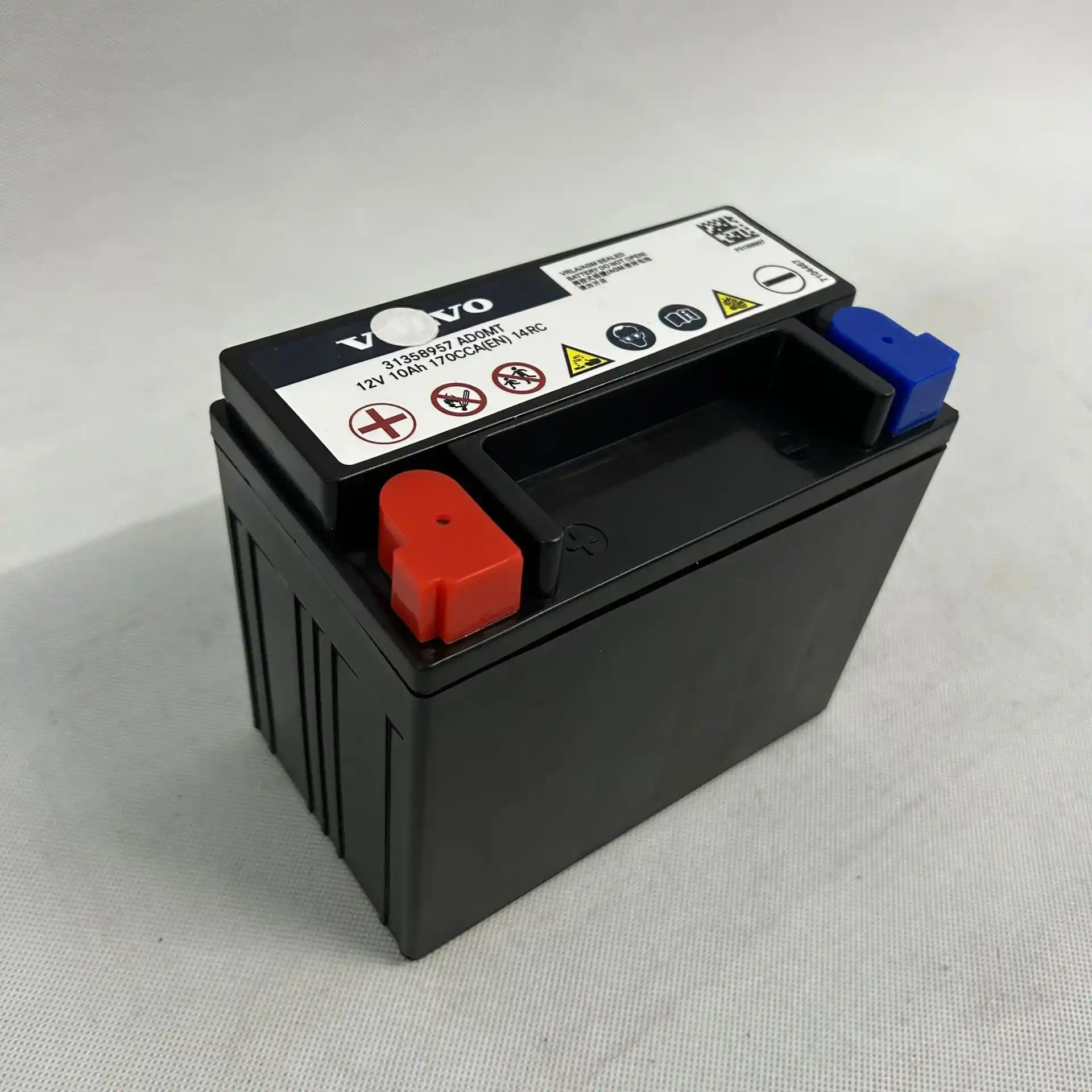
The main disadvantage of an AGM (Absorbent Glass Mat) battery is its higher upfront cost and sensitivity to overcharging. While these batteries are maintenance-free and reliable, they require careful charging and are not ideal for frequent deep cycling.
| Feature | AGM Battery | Flooded Lead-Acid | Lithium (LiFePO4) |
| Lifespan | 3-5 Years | 2-3 Years | 10+ Years (Winner) |
| Depth of Discharge | 50% | 50% | 100% (Winner) |
| Weight | Heavy | Heaviest | Ultra Light |
| Cost over 10 Years | High (Replaced 2-3 times) | Medium | Lowest (One-time investment) |
AGM batteries are a type of sealed lead-acid battery where the electrolyte is absorbed into fiberglass mats. This spill-proof design allows the battery to be used in various orientations and makes it resistant to vibration, shock, and extreme conditions. AGM batteries are commonly found in automotive, marine, solar, and backup power applications.
AGM batteries offer multiple benefits:
Maintenance-free: No need to add water.
Spill-proof & sealed: Safer and usable in any position.
High power output: Great for high-demand applications.
Low self-discharge: Holds charge longer in storage.
Durability: Vibration and shock-resistant.
Faster charging: Compared to traditional flooded batteries.
AGM batteries have two significant drawbacks:
Higher Initial Cost: Usually 40–100% more expensive than standard flooded lead-acid batteries.
Sensitive to Overcharging: Requires a charger with precise voltage control to avoid reduced battery life or internal damage.
AGM batteries are designed with a tight electrolyte structure, which leaves little room for gas expansion. Overcharging leads to:
Excessive heat and pressure
Electrolyte dry-out
Reduced lifespan or complete failure
To prevent damage, AGM-specific smart chargers are recommended.
| Battery Type | Initial Cost | Lifespan | Maintenance |
|---|---|---|---|
| Flooded Lead-Acid | Low | 3–5 years | Regular water refilling |
| AGM Battery | Medium to High | 5–7+ years | Maintenance-free |
While AGM batteries perform better than flooded batteries in moderate deep cycling, they’re not ideal for repeated deep discharges (below 50%). Frequent deep cycling may cause:
Sulfation
Capacity loss
Shortened lifespan
For demanding deep-cycle use, lithium batteries are typically better suited.
AGM batteries need:
A full recharge after each use
A charger with voltage regulation (14.4V–14.7V for 12V systems)
Temperature compensation to prevent overcharging
Using a standard charger can lead to undercharging or overcharging, both of which reduce battery life.
AGM batteries have limited charge acceptance, meaning they cannot absorb high charge currents as quickly as lithium batteries. This makes them less ideal for:
Fast-recharge applications
Frequent cycling solar systems
Emergency backup systems requiring quick recovery
AGM batteries handle cold better than flooded batteries but:
High heat accelerates degradation
Freezing temperatures can halt function temporarily
Ventilation is still important despite sealed design
For optimal performance, install AGM batteries in temperature-controlled environments.
AGM batteries contain lead and acid, but they are recyclable through standard lead-acid battery recycling systems. Compared to flooded batteries:
Lower risk of leakage
Fewer emissions during use
While not as eco-friendly as lithium options, proper disposal mitigates environmental impact.
"AGM batteries offer a strong balance between safety, reliability, and cost-effectiveness, especially for mid-range applications. However, overcharging remains a critical concern. As lithium batteries become more affordable, they present a compelling alternative for users needing higher performance and flexibility." — Evlithium Expert
AGM batteries offer robust benefits including maintenance-free use, durability, and safety, but their higher cost and sensitivity to overcharging must be factored in. Proper usage and the right charger can maximize lifespan and performance. For applications that demand frequent deep cycling or fast charging, consider lithium batteries alternatives.
Poor charge retention
Inability to fully charge
Case swelling
Overcharging sensitivity
Gradual capacity loss
Overcharging or undercharging
Deep discharges below 50%
High-temperature exposure
Using incompatible chargers
Typically 3–5 years, or up to 7+ years with proper care and correct charging.
Yes. AGM batteries generally cost $100 to $300, depending on capacity, which is more than flooded types but less than lithium.
| Feature | AGM Battery | Lithium Battery |
|---|---|---|
| Weight | Heavier | Lighter |
| Lifespan | 3–7 years | 7–15 years |
| Deep Discharge | Limited (~50%) | Full depth usable |
| Charging | Specialized required | Fast charging supported |
| Cost | Medium | High |
AGM batteries: Handle higher loads, faster recharge
GEL batteries: Better deep cycling, slower charging
Use smart AGM-compatible chargers that regulate voltage (14.4V–14.7V) and temperature to avoid overcharging.
Edit by paco
Last Update:2026-01-23 10:40:15
All Rights reserved © 2026 Evlithium Limited