 |
Welcome To Evlithium Best Store For Lithium Iron Phosphate (LiFePO4) Battery |
 |
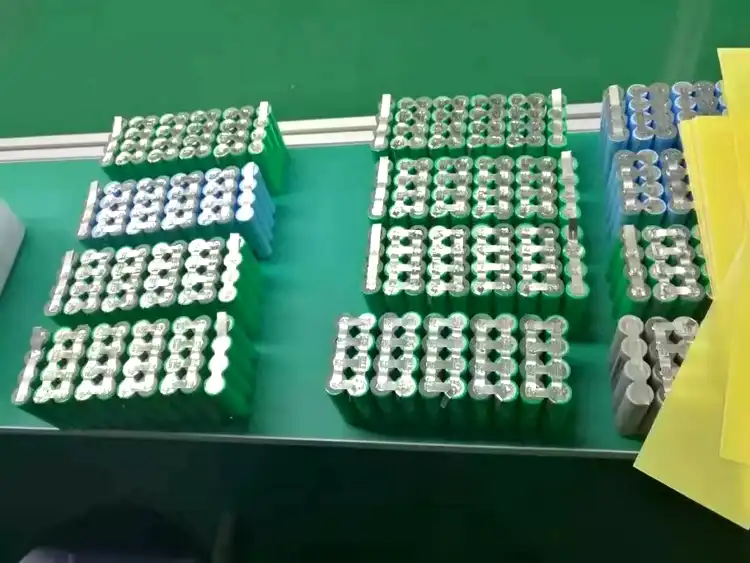
The 14.4V battery has earned a solid reputation as a dependable power source across industries—from cordless tools and robotics to medical and household equipment. Its perfect balance of voltage, capacity, and portability makes it one of the most versatile batteries available today. Whether you’re a DIY enthusiast, a technician, or simply looking for reliable portable energy, understanding the ins and outs of the 14.4V battery will help you make the most of this powerful technology.
A 14.4V battery is a rechargeable energy source that delivers a nominal voltage of 14.4 volts—ideal for powering medium- to high-demand devices. It provides the sweet spot between power and portability, making it suitable for cordless tools, industrial robots, and even medical devices.
You’ll commonly find 14.4V batteries inside cordless drills, handheld vacuums, and electric screwdrivers. They deliver enough voltage to tackle challenging tasks without adding excessive weight. Their consistent performance and manageable size have made them the go-to power source for various consumer and industrial applications.
For those needing customized 14.4V battery packs, manufacturers like Evlithium offer tailored solutions using advanced chemistries such as Li-ion, LiPo, and LiFePO4—ensuring optimal compatibility and reliability for specialized applications.
Not all 14.4V batteries are created equal. Each chemistry type affects performance, weight, charging time, and longevity differently. Below are the most widely used types:
Pros: High energy density, lightweight, fast charging, and long lifespan.
Cons: Sensitive to extreme temperatures and requires built-in protection circuits.
Li-ion batteries are the most common choice for power tools and electronics due to their reliability and recharge efficiency.
Pros: Durable, highly tolerant to temperature fluctuations, and built for heavy-duty use.
Cons: Prone to the “memory effect” and contain toxic cadmium, which requires careful disposal.
NiCd batteries remain popular in industrial tools that need steady power under tough conditions.
Pros: More environmentally friendly than NiCd with decent energy density.
Cons: Heavier and have a higher self-discharge rate.
NiMH batteries work well in household and mid-range power tools, though they lose charge faster when unused.
Pros: Outstanding safety, long cycle life, thermal stability, and low risk of overheating.
Cons: Slightly heavier and higher initial cost.
These are ideal for industrial, medical, and backup power systems where long-term reliability is critical.
Every 14.4V battery—regardless of chemistry—consists of several essential components that ensure safe and efficient power delivery:
Anode (Negative Electrode): Stores and releases electrons; commonly lithium, cadmium, or nickel-based.
Cathode (Positive Electrode): Determines energy capacity; made from materials like lithium cobalt oxide or nickel oxide.
Electrolyte: Conducts ions between the anode and cathode; typically lithium salt (in Li-ion) or potassium hydroxide (in NiCd/NiMH).
Separator: Prevents short circuits while enabling ion transfer.
Casing: Protects internal components; made from durable materials like metal or high-impact plastic.
The total voltage of a 14.4V battery comes from individual cells connected in series:
Lithium-Ion: 4 cells (each 3.6V) → 4 × 3.6V = 14.4V
NiCd / NiMH: 12 cells (each 1.2V) → 12 × 1.2V = 14.4V
This configuration ensures steady energy output and efficient power transfer for medium-demand devices.
Charging time depends on the battery type, charger capacity, and temperature. Below is a general guide:
Li-ion: 1–3 hours with a fast charger.
NiCd: 3–5 hours; slower charging reduces the memory effect.
NiMH: 2–4 hours; slow charging minimizes self-discharge.
LiFePO4: 2–3 hours; known for stable, consistent charge cycles.
Tip: Always use the charger designed for your battery type to prevent damage or overheating.
Battery lifespan varies by chemistry and maintenance:
| Battery Type | Cycle Life | Average Lifespan |
|---|---|---|
| Li-ion | 300–500 cycles | 2–3 years |
| NiCd | 500–1,000 cycles | 3–5 years (with proper maintenance) |
| NiMH | 300–500 cycles | 2–3 years |
| LiFePO4 | 2,000+ cycles | 5–10 years |
Proper care—like avoiding overcharging and extreme heat—can significantly extend your battery’s performance.
The 14.4V battery’s flexibility allows it to power a wide range of equipment:
Power Tools: Cordless drills, saws, sanders, and impact drivers.
Medical Devices: Portable diagnostic and monitoring equipment.
Robotics: Industrial and educational robots requiring stable voltage.
Household Appliances: Cordless vacuums, lighting systems, and garden tools.
This balance of power and portability is why manufacturers across industries favor the 14.4V format.
To maximize lifespan and efficiency:
Use the Correct Charger: Match the charger type to your battery chemistry.
Avoid Overcharging: Unplug after a full charge to prevent stress on cells.
Store Properly: Keep batteries in a cool, dry place—ideally at 40–60% charge if stored long-term.
Discharge Regularly (NiCd/NiMH): Fully discharge before recharging to avoid the memory effect.
Inspect Periodically: Check for swelling, corrosion, or damage before use.
Following these maintenance tips ensures your 14.4V battery performs reliably for years.
A 14.4V battery remains one of the most practical and efficient power solutions on the market. Its blend of high energy output, manageable size, and diverse chemistry options makes it suitable for everything from cordless tools to critical medical equipment.
By selecting the right battery type and maintaining it properly, you can significantly extend its service life, boost performance, and ensure consistent, safe power for all your applications. Whether you prioritize longevity, safety, or energy density, the 14.4V battery continues to deliver reliable energy—anywhere, anytime.
Edit by paco
Last Update:2025-10-31 10:29:24
All Rights reserved © 2026 Evlithium Limited