 |
Welcome To Evlithium Best Store For Lithium Iron Phosphate (LiFePO4) Battery |
 |
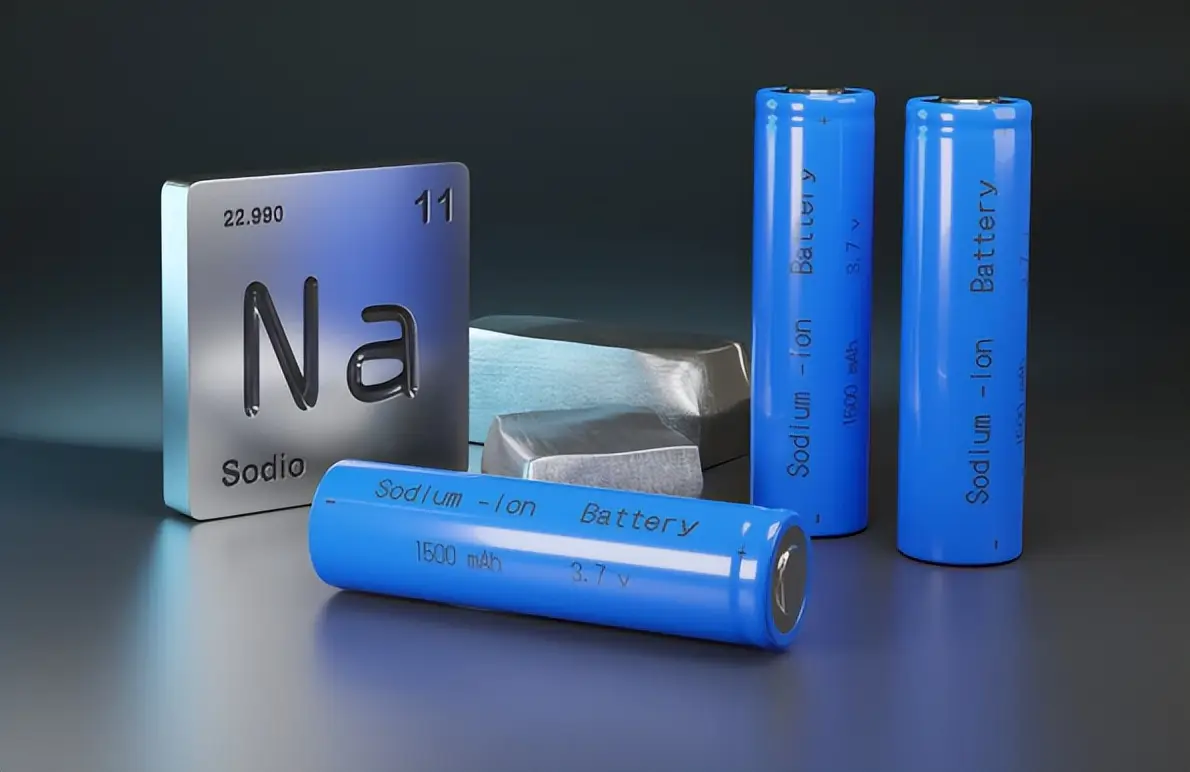
Sodium-ion batteries (Na-ion, NIB, or SIB) are emerging as a strong alternative to lithium-ion batteries. They share a similar structure, including a metal salt-based cathode, carbon-based anode, polyolefin separator, and liquid electrolyte. However, sodium-ion technology introduces unique advantages that could reshape energy storage systems.
A key innovation in this field is Na4Fe3(PO4)2P2O7 (NFPP), a polyanion cathode material gaining rapid industry attention. With increasing demand for safer and cost-effective batteries, NFPP is expected to compete directly with lithium iron phosphate (LFP) batteries in EV and ESS applications.
NFPP is a next-generation sodium-ion cathode material designed to improve safety, stability, and cost efficiency. While LFP batteries dominate low- and mid-range EV markets, NFPP is positioning itself as a competitive alternative with growing adoption.
Early-stage production and pilot projects indicate strong market potential, especially in applications where cost and durability are more critical than energy density.
NFPP batteries operate at a lower nominal voltage than LFP batteries. As a result, more cells may need to be connected in series to meet system voltage requirements in EVs or energy storage systems.
Sodium-ion batteries currently deliver lower capacity. For instance, a 314Ah LFP cell may correspond to only around 160Ah in an equivalent NFPP design, highlighting the gap in energy density.
NFPP batteries offer higher charge and discharge rates, along with improved pulse performance. This makes them ideal for high-power applications.
NFPP cells can charge at temperatures as low as -10°C, while LFP batteries typically stop charging below 0°C. This improves performance in cold environments.
Sodium-ion batteries feature lower internal resistance and comparable cycle life to LFP cells, especially in cylindrical formats.
Both battery types rely on ion movement between cathode and anode during charging and discharging through a liquid electrolyte.
The production processes are nearly identical, including electrode coating, drying, assembly, electrolyte filling, and sealing.
Sodium-ion batteries are adopting similar formats such as prismatic and cylindrical cells, allowing easy integration into existing systems.
Sodium-ion batteries use aluminum for both current collectors, reducing cost compared to lithium-ion batteries, which require copper.
Sodium-ion batteries tolerate wider voltage ranges and can remain at low voltage for extended periods without degradation.
They maintain strong discharge performance in sub-zero temperatures, eliminating the need for heating systems.
Sodium-ion batteries can operate effectively at lower states of health, extending their usable lifespan.
Sodium-ion batteries are well-suited for:
However, they are less suitable for applications requiring high energy density, such as long-range EVs or compact BESS installations.
Sodium-ion batteries are evolving into a viable alternative to lithium-ion technology. With innovations like NFPP, they offer improved safety, cost advantages, and strong performance in extreme temperatures.
Although energy density remains a limitation, ongoing advancements and scaling production are expected to drive adoption. Sodium-ion batteries are poised to play a key role in the future of sustainable energy storage.
Edit by paco
Last Update:2026-03-17 09:35:30
All Rights reserved © 2026 Evlithium Limited